FEATURED MEDIA
About the project
Zoo is a title-sequence study based on Bert Haanstra’s documentary film.
The project combines found documentary footage, typography and sound to create an opening sequence that continues the observational humour already present in the original film rather than introducing an unrelated visual style.
The brief
The assignment asked us to choose a documentary, short film or music video and create a new title sequence by combining image, text and sound.
I chose Zoo because the film already relies heavily on framing, repetition and the visual relationship between people and animals.
Visual system
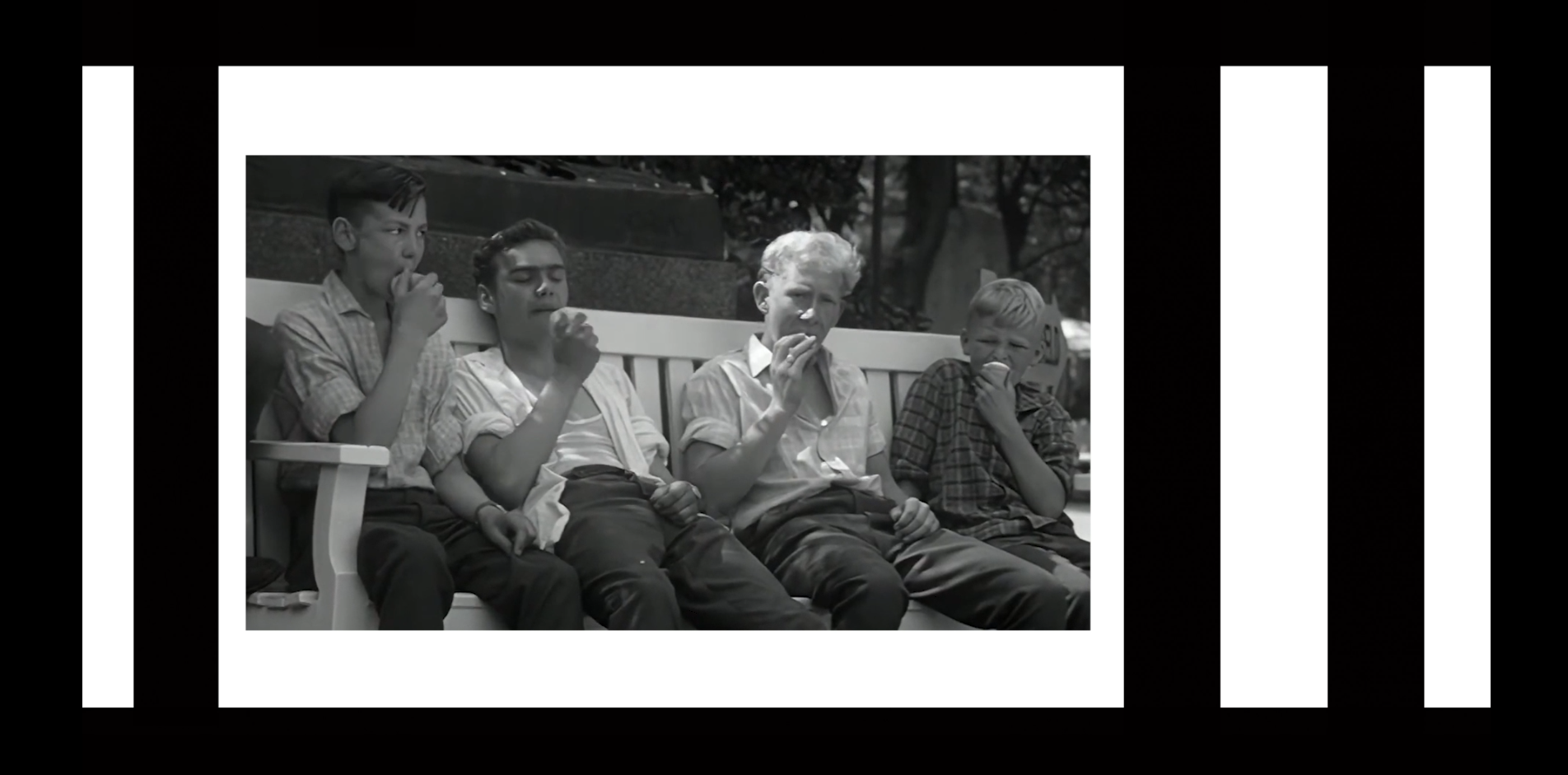
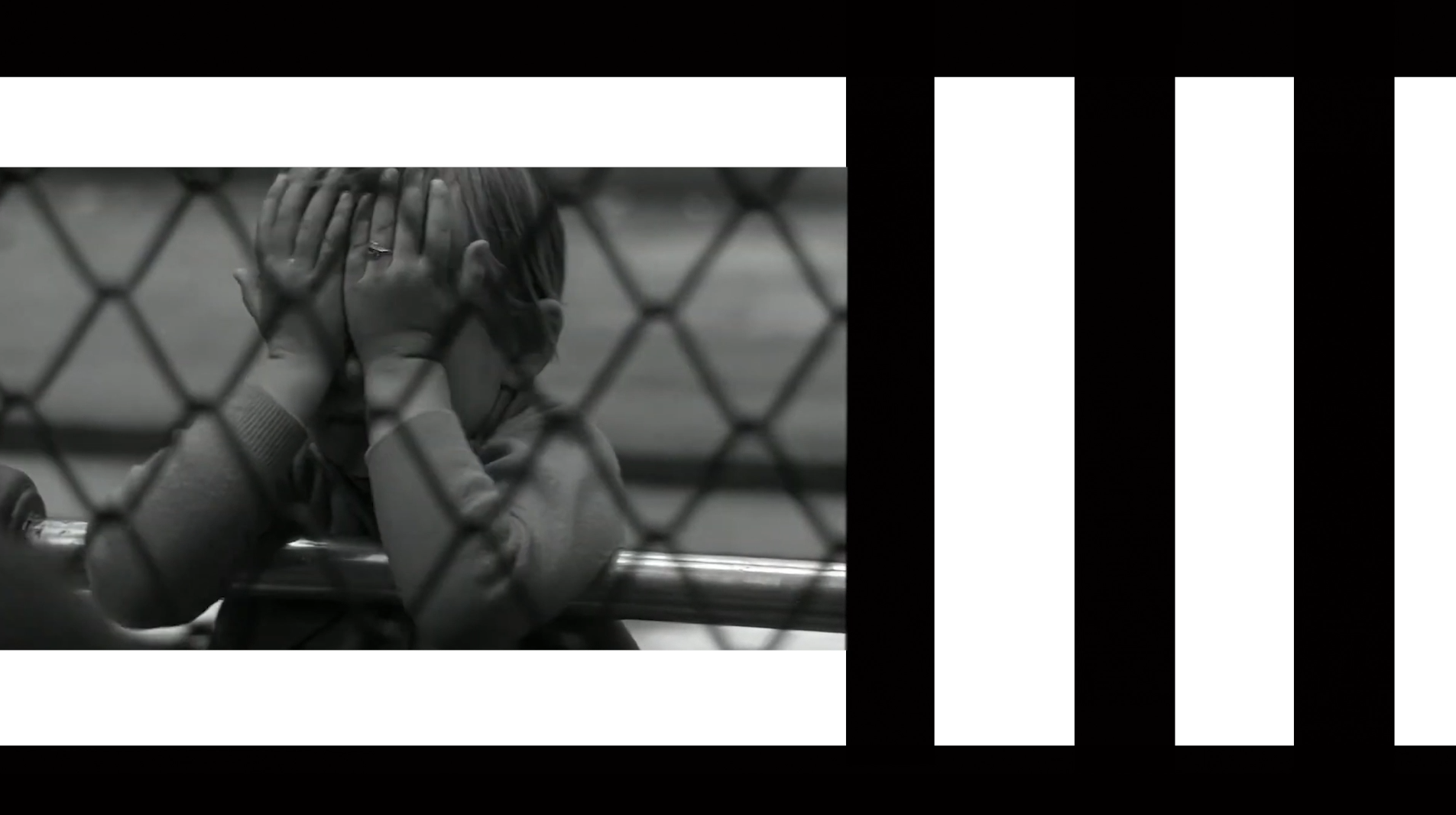
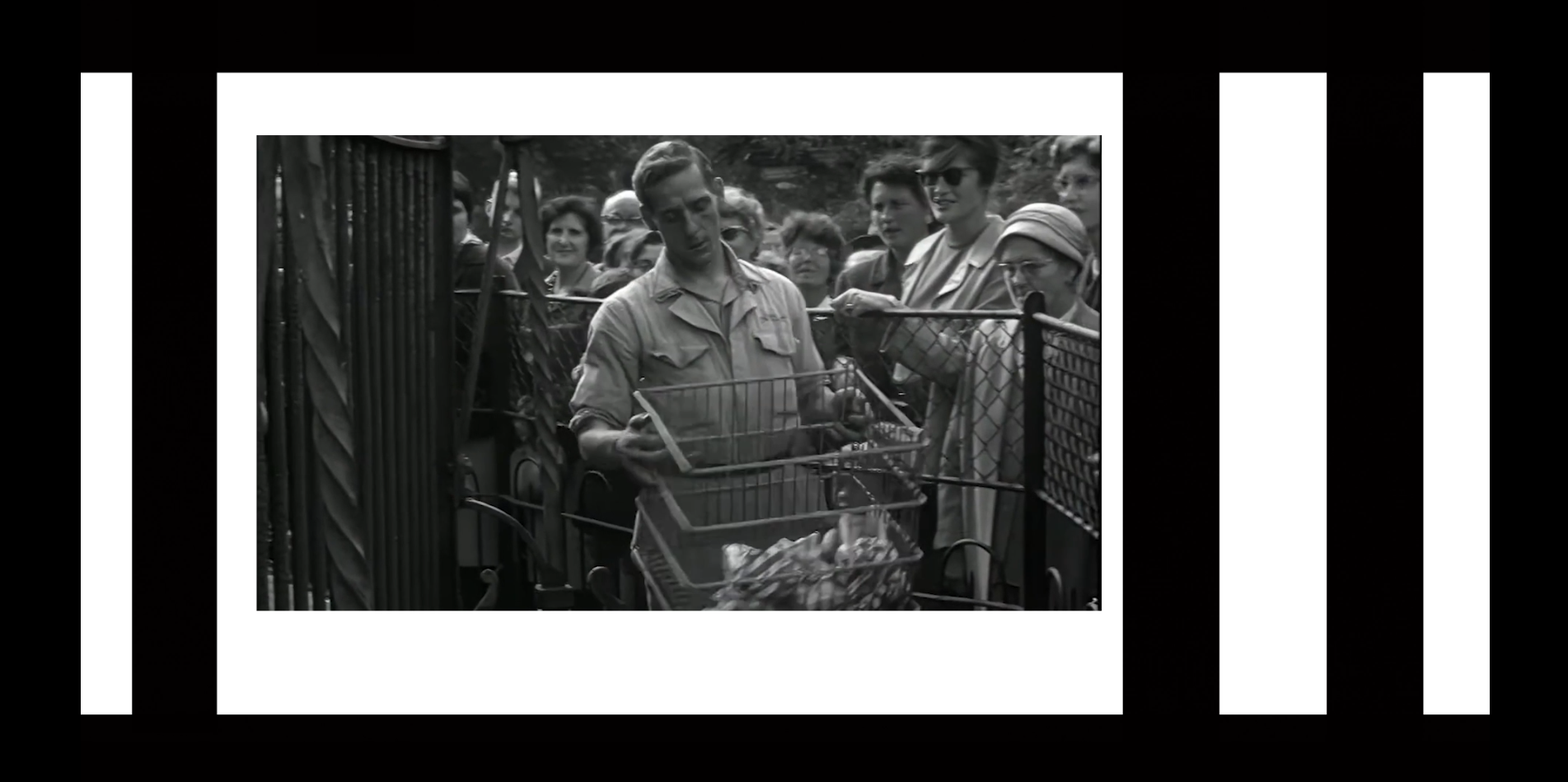
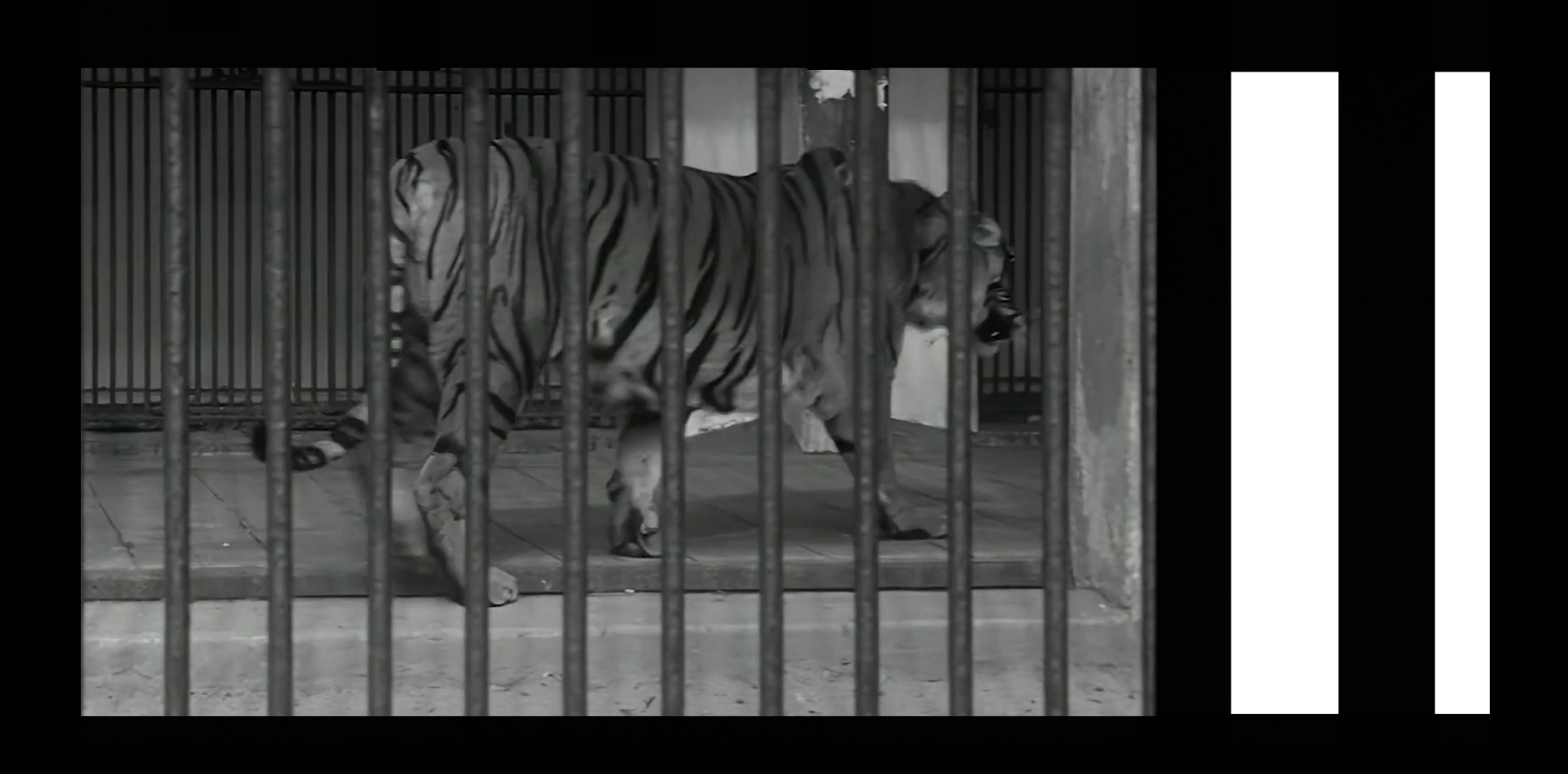
The sequence is built around black-and-white frames, large areas of negative space, repeated rectangular structures and the visual language of cages and enclosures.
Instead of treating the footage and graphic system as separate layers, the white blocks and black gaps become part of how the images themselves are framed.
The graphic structure repeatedly suggests windows, bars, cages and observation points.
Image and typography
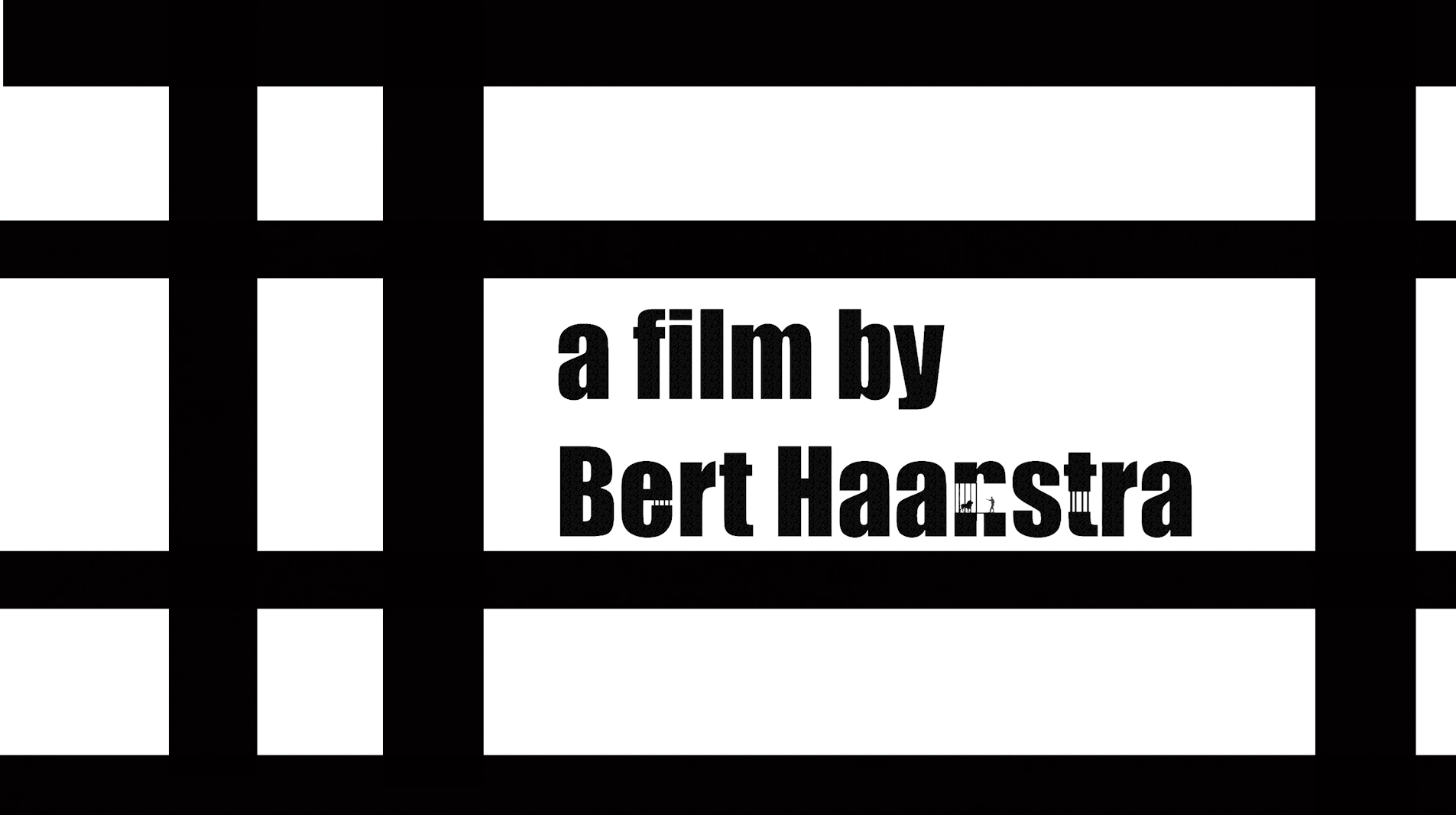
The typography is intentionally direct and bold.
Credits appear inside the same visual grid as the documentary footage, allowing text and image to occupy the same compositional system.
Rather than placing typography over the footage conventionally, the sequence gives credits their own spatial moments within the rhythm of the frames.
Observation and enclosure
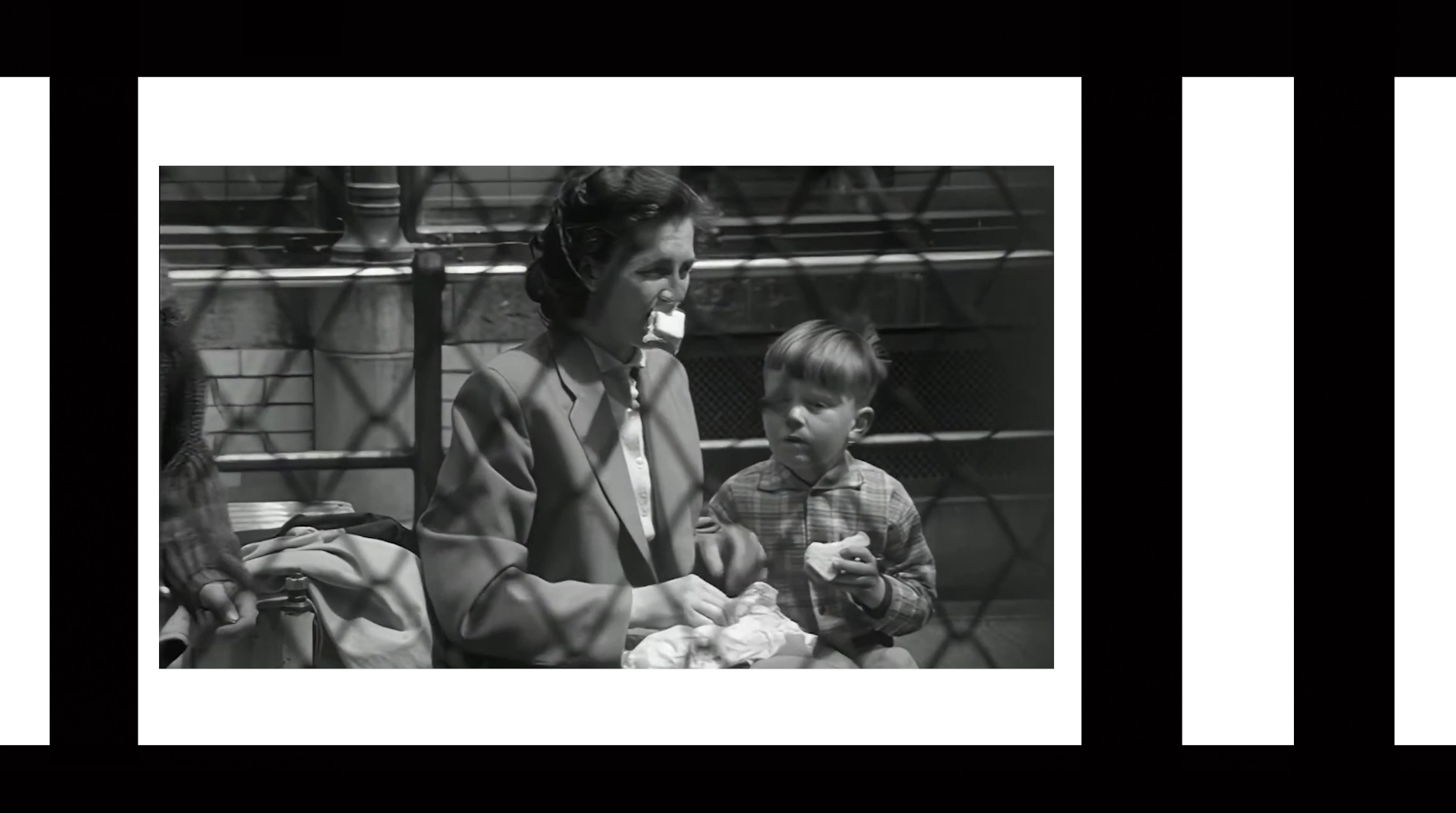
One of the central ideas of the sequence is the relationship between the people observing the animals and the animals being observed.
The visual framing repeatedly places visitors behind grids, barriers and rectangular structures.
This creates a playful reversal where the audience begins to notice that the people inside the zoo can appear just as framed and observed as the animals themselves.
Rhythm and sound
The movement of the sequence depends on repetition, pauses, cuts and gaps between images.
The black-and-white visual system creates a rhythm before motion is even introduced.
Sound and editing reinforce that rhythm, allowing moments of activity to alternate with moments of visual stillness.
Final sequence
The final result uses documentary footage, type and sound as parts of one visual system.
The sequence does not attempt to redesign Zoo into something completely different.
Instead, it expands the film’s existing observational humour through typography, framing and motion.
What I learned
The project helped me understand that a title sequence does not need to explain a film literally.
It can introduce its personality through rhythm, framing, typography and the relationship between image and sound.
It also made me think more carefully about how graphic structures can emerge from ideas already present inside the source material.